Education in Emergencies Programs:
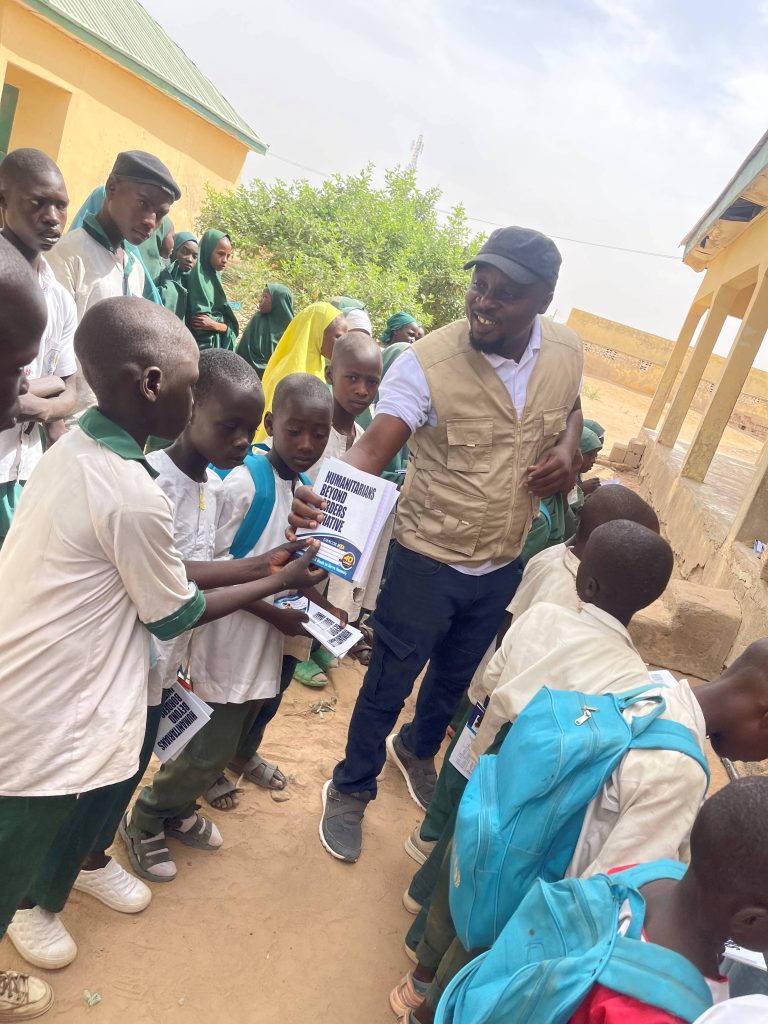
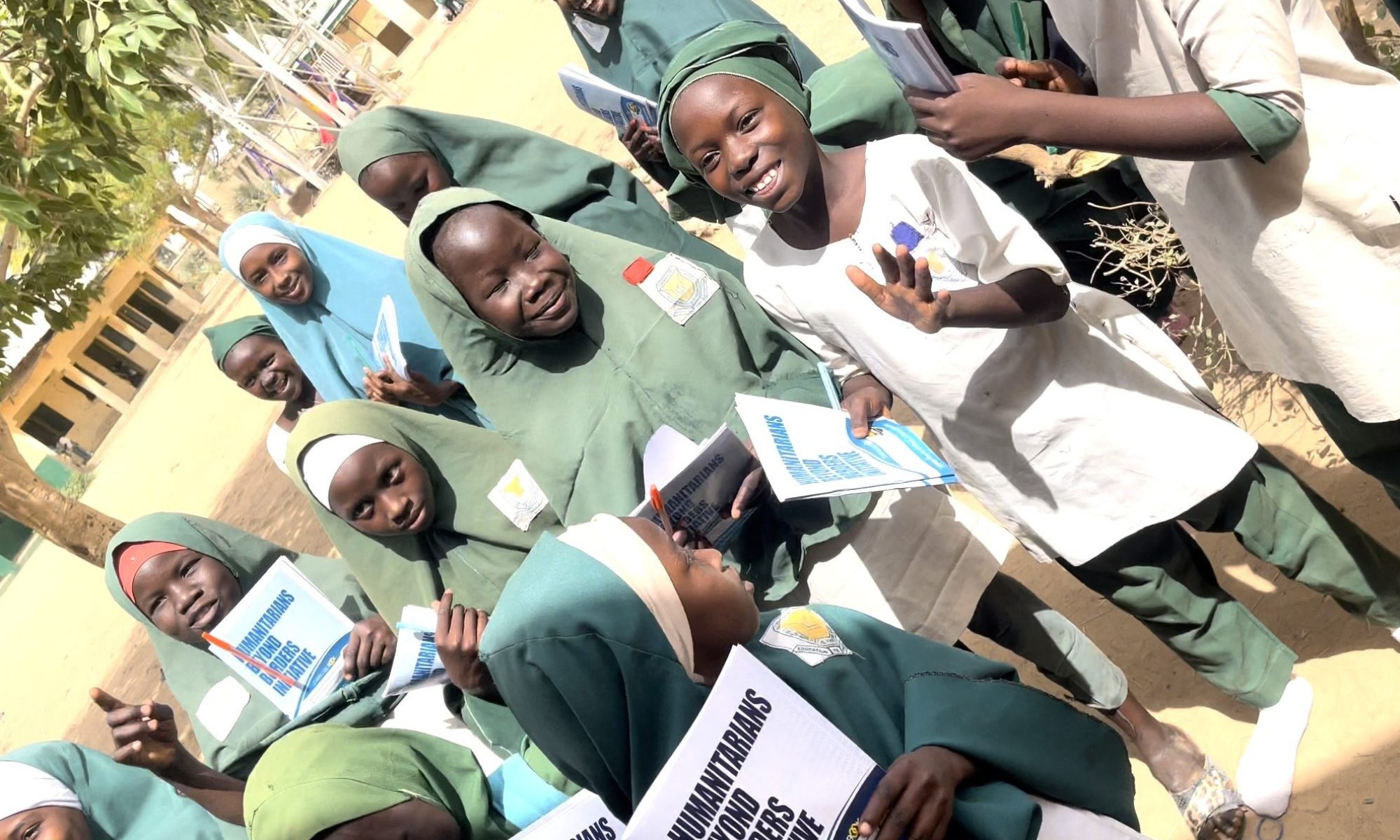
We design and implement comprehensive education in emergencies program (across ECD, formal and non-formal, TVET) that address the different needs of children and young people. From enrolment, retention, to quality of education and system strengthening, our programs aim to ensure that the best education support and service is received. We are the first indigenous NGO that has triangulated the TaRL methodology in our teacher trainings.
Comprehensive Child Protection Programs:
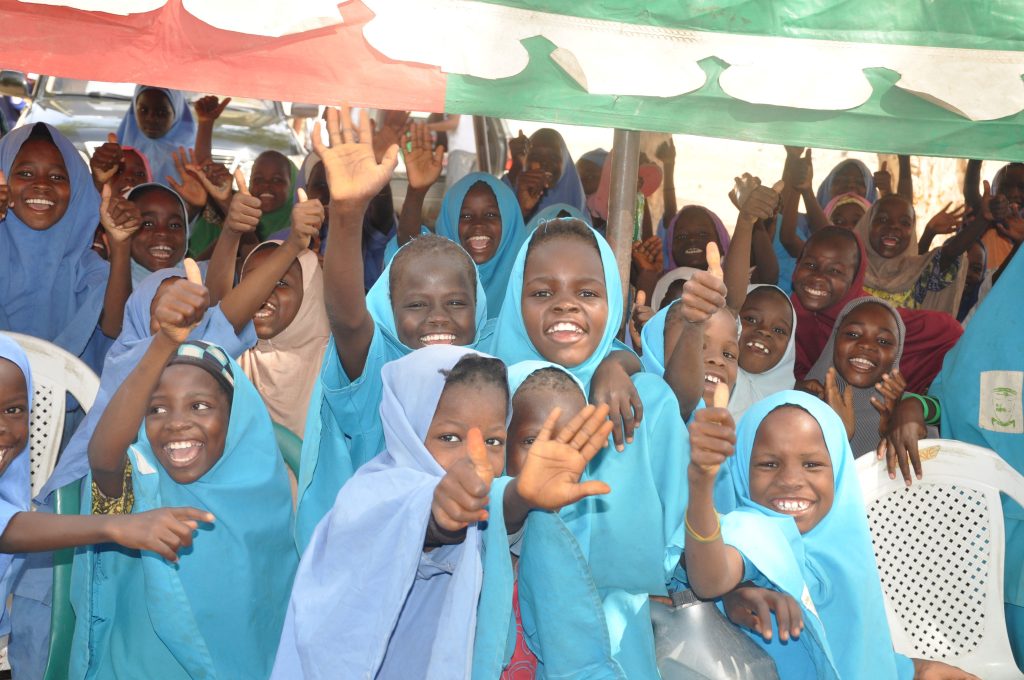
We design and implement comprehensive child protection programs that address the diverse needs of children and young people including those in crisis affected locations. From awareness campaigns to on-the-ground initiatives, our programs strive to create safe spaces and promote positive development.
Safeguarding in Emergencies:
Recognizing the heightened vulnerabilities during emergencies, we specialize in safeguarding measures tailored to crisis situations. Our swift and effective responses ensure that children and young people are protected even in the most challenging circumstances.
STEM for Girls:
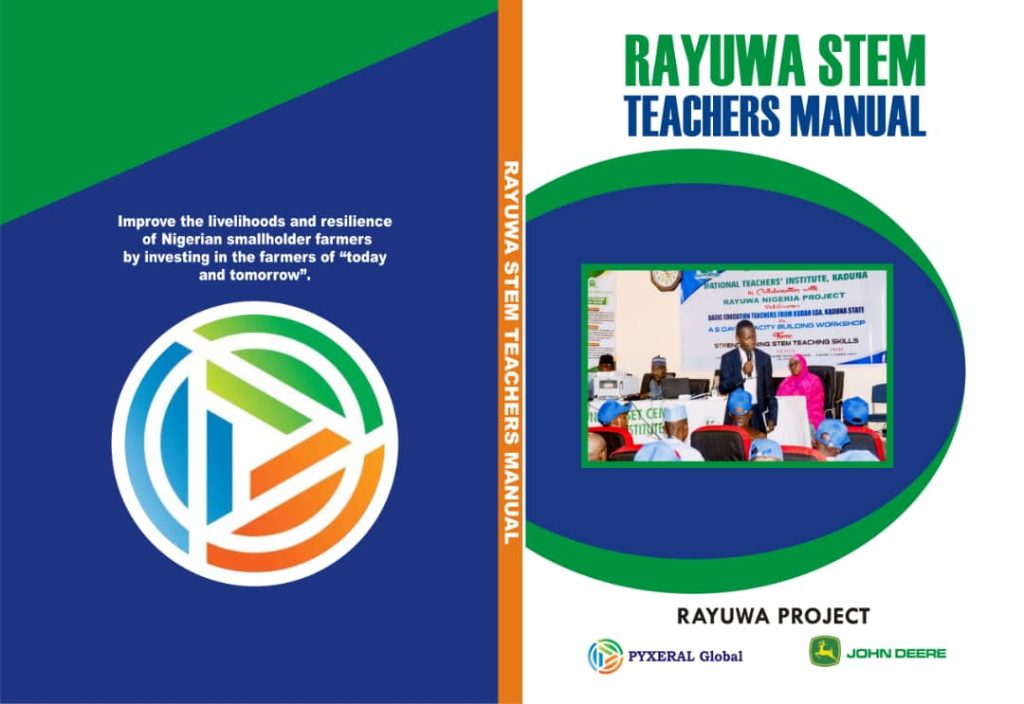
Through the financial support of Pyxera Global we developed a STEM manual for teachers trained to support girls’ participation in STEM across schools in Kaduna and Katsina. We are currently expanding reach to northeast Nigeria, and our key target us to ensure that by 2027, we have 10,000 girls actively participating in STEM subjects.
Peacebuilding:
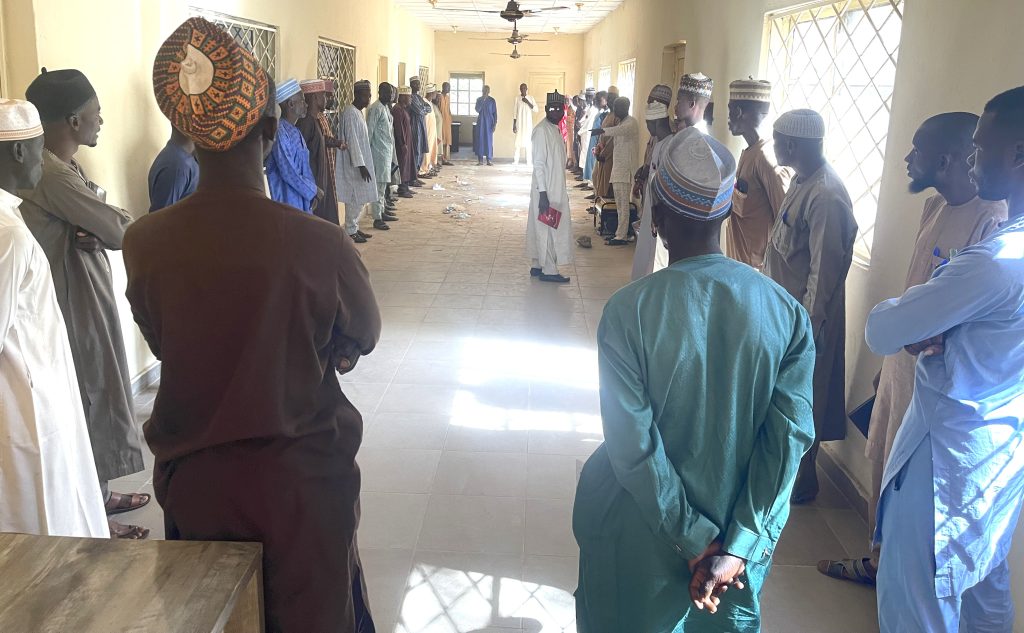
Recognizing the need for peace, our approach is designed to tackle root causes by first integrating peacebuilding into our education interventions, and then we expand to the household levels where we work with families, then community level where we collaborate with local institutions and community/religious systems, then finally at government level.
Disability Inclusion:
We are keen on promoting disability inclusive humanitarian response by fostering inclusivity in program design and ensuring system strengthening in inclusive humanitarian action, aligned with the IASC Guidelines.